
Buyer guides & market notes
15 practical, plain-spoken guides for importers — written by the desk that actually ships the goods. Real specs, grades, documents and pitfalls, so you order with confidence.
 Editor's Pick
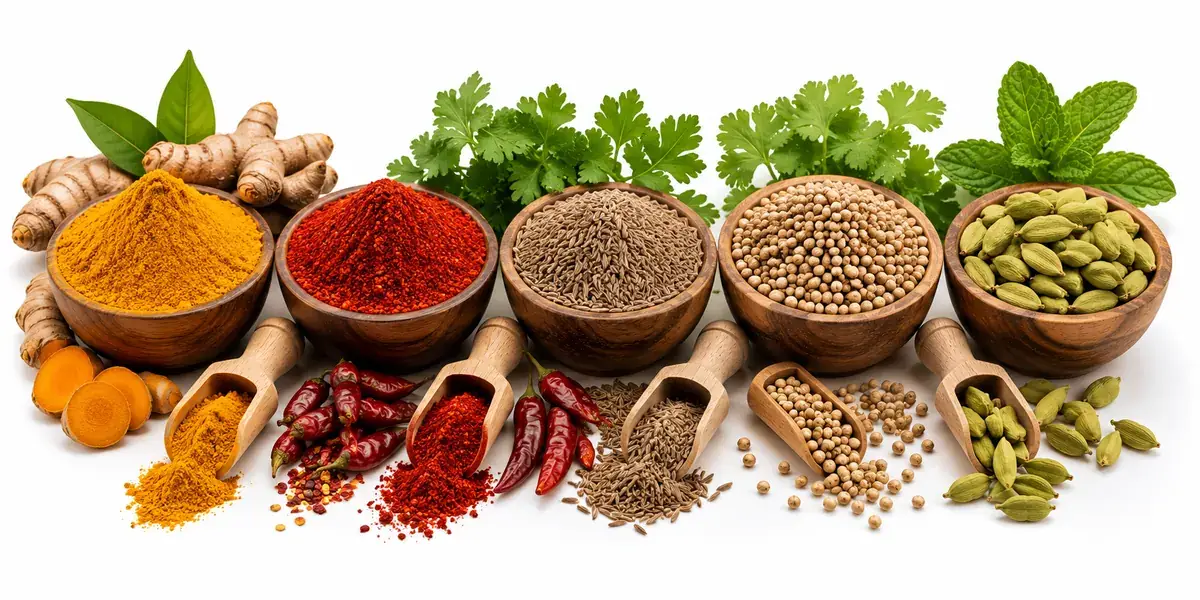
How to Import Turmeric from India: A Practical Buyer's Guide
Which variety to buy, how to lock curcumin and colour in writing, the documents you will need, and how a sensible first shipment is put together.
 Compliance6 min read
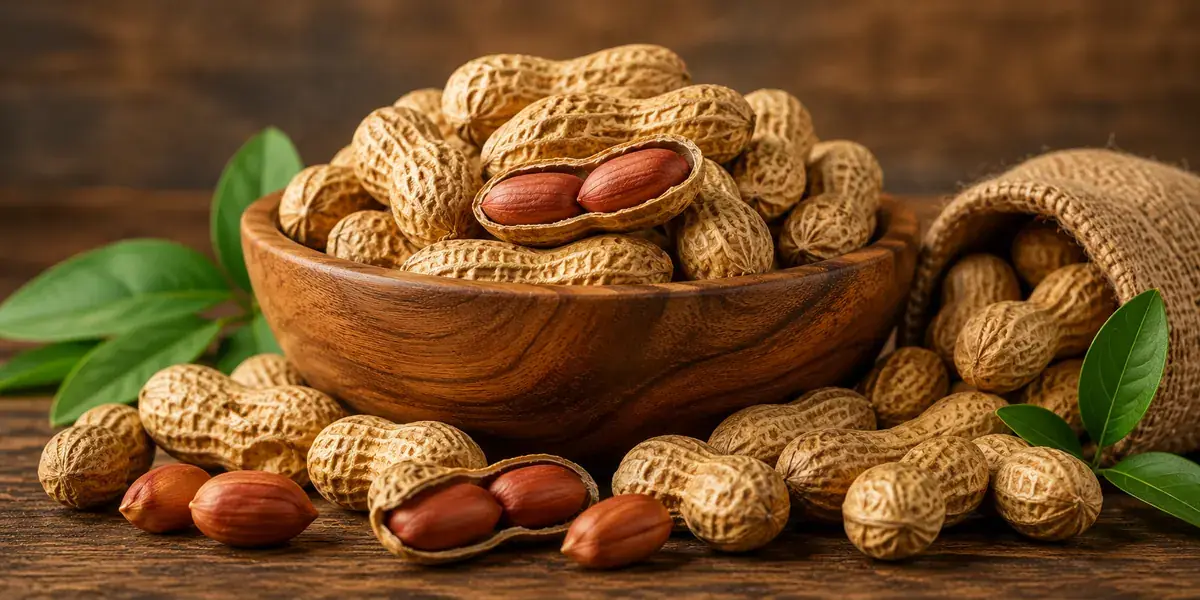
Aflatoxin and Indian Groundnut: The One Check No Importer Should Skip
Why peanut is the most regulated thing we ship, how a clean lot is actually produced, and what to insist on before you place an order.
- Where Indian peanut comes from
- Why aflatoxin matters so much
- How a clean lot is actually made
 Trade & Logistics5 min read
FOB, CIF or DAP? Choosing the Right Incoterm for Your First Indian Shipment
A plain-English look at the three terms most food importers use, who pays for what, and which one suits a first-time buyer.
- FOB — Free On Board
- CIF — Cost, Insurance and Freight
- DAP — Delivered At Place
 Compliance11 min read
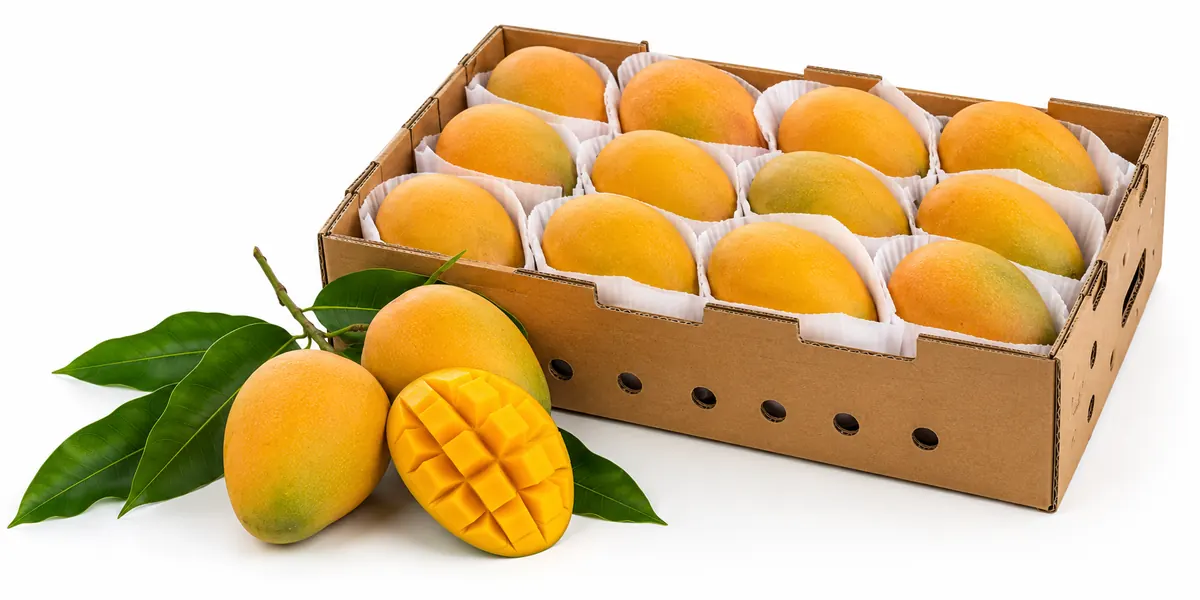
Talala Gir Kesar Mango: Export Compliance, APEDA Traceability & Country Requirements
The complete buyer and shipper guide to GI-tagged Gir Kesar from Talala — APEDA registration and MangoNet traceability, what must be done before packing, and the treatment each destination country demands (irradiation, VHT or none).
- What "Talala Gir Kesar" actually means
- Step one: APEDA registration and traceability
- Before packing: where compliance is really won
 Buyer Guide6 min read
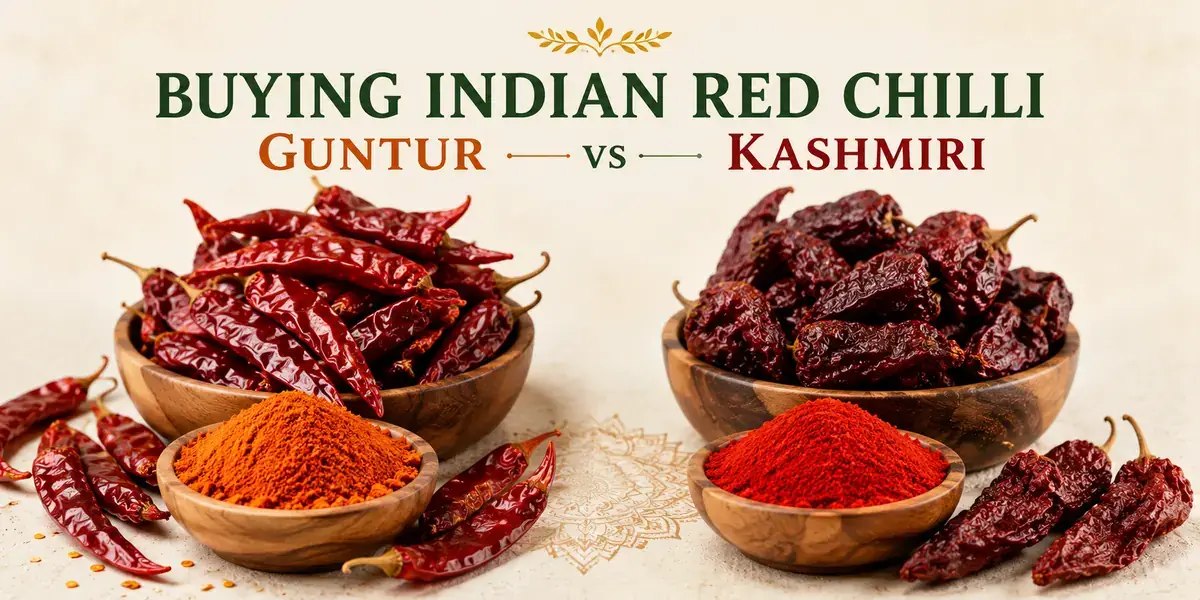
Buying Indian Red Chilli: Guntur Heat vs Kashmiri Colour
How to choose between fiery Guntur chilli and deep-red Byadgi/Kashmiri, what SHU and ASTA colour actually mean, and why aflatoxin and Sudan-dye testing decides whether your lot clears EU customs.
- Heat or colour? Decide that first
- Whole, stemless or powder
- The compliance that actually stops shipments
 Buyer Guide6 min read
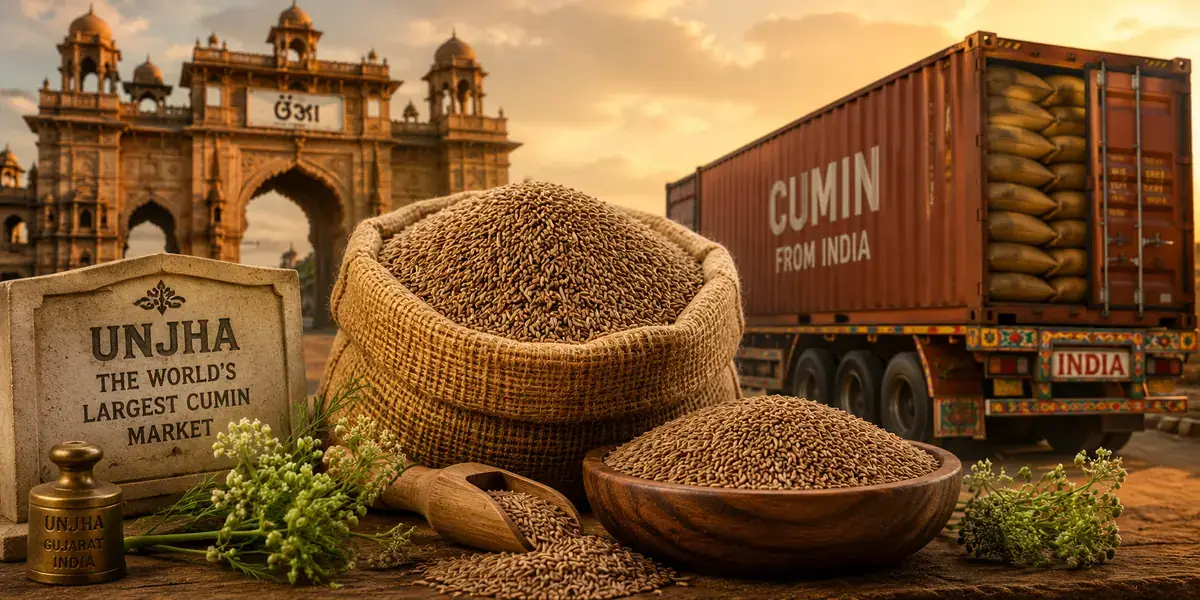
Importing Cumin from India: Unjha, Purity & Volatile Oil
What machine-clean, 99.5% and 99.95% sortex purity really mean, why volatile oil drives aroma, and how EU pesticide limits on cumin catch out first-time buyers.
- Purity grades, and what the labels mean
- Volatile oil is the flavour
- The EU pesticide trap
 Buyer Guide6 min read
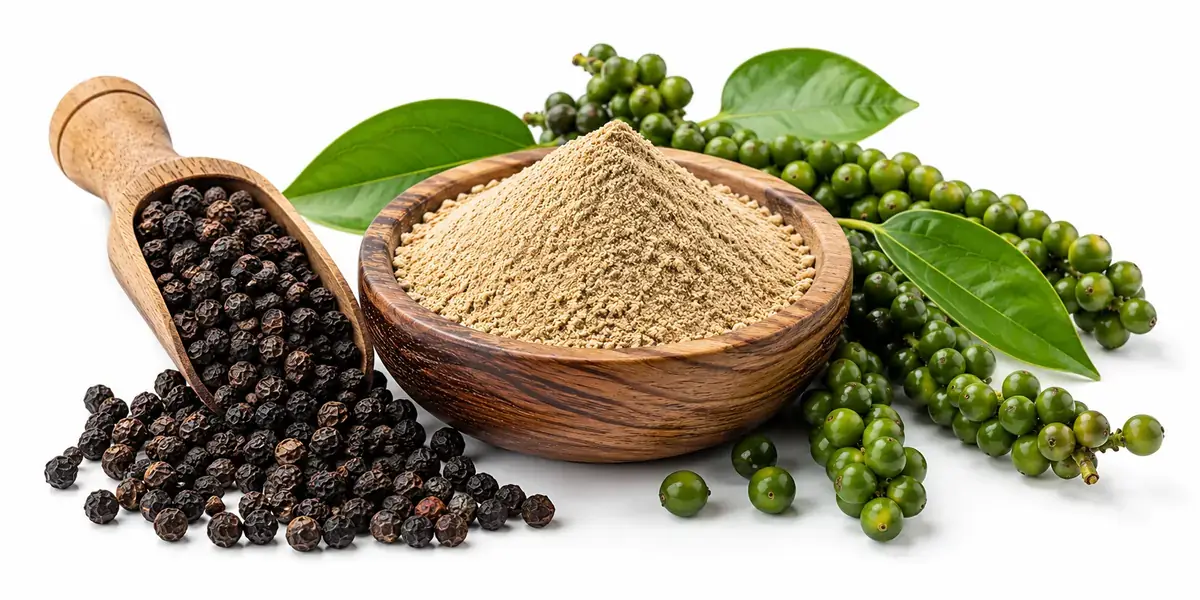
Indian Black Pepper Buyer's Guide: Grades, Bulk Density & Piperine
How GL bulk-density grades work, what separates Tellicherry from ordinary FAQ, where piperine fits in, and the cleanliness checks worth writing into your contract.
- Grading by bulk density (GL)
- Piperine, volatile oil and why light berries matter
- Forms and what to confirm in writing
 Buyer Guide7 min read
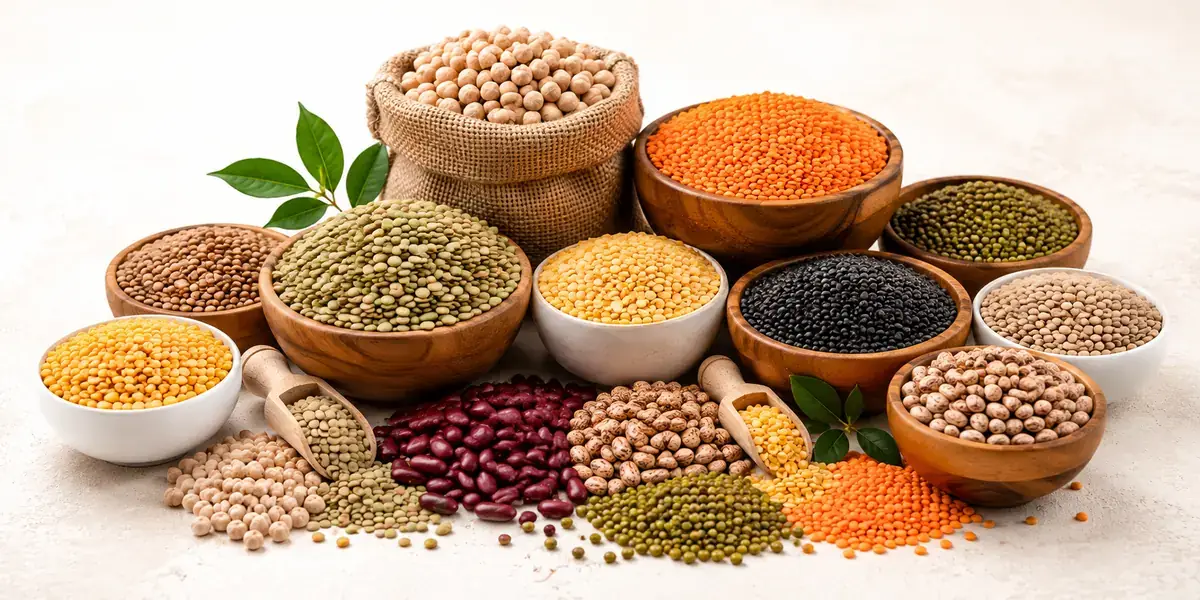
Buying Indian Lentils & Pulses: Varieties, Grading & Sortex
A practical map of masoor, moong, toor, urad and chana, how whole-versus-split and sortex grading affect price, and the moisture and broken-percentage limits that protect you on arrival.
- Know your varieties and belts
- Grading and sortex
- What actually goes wrong on arrival
 Ingredient Guide6 min read
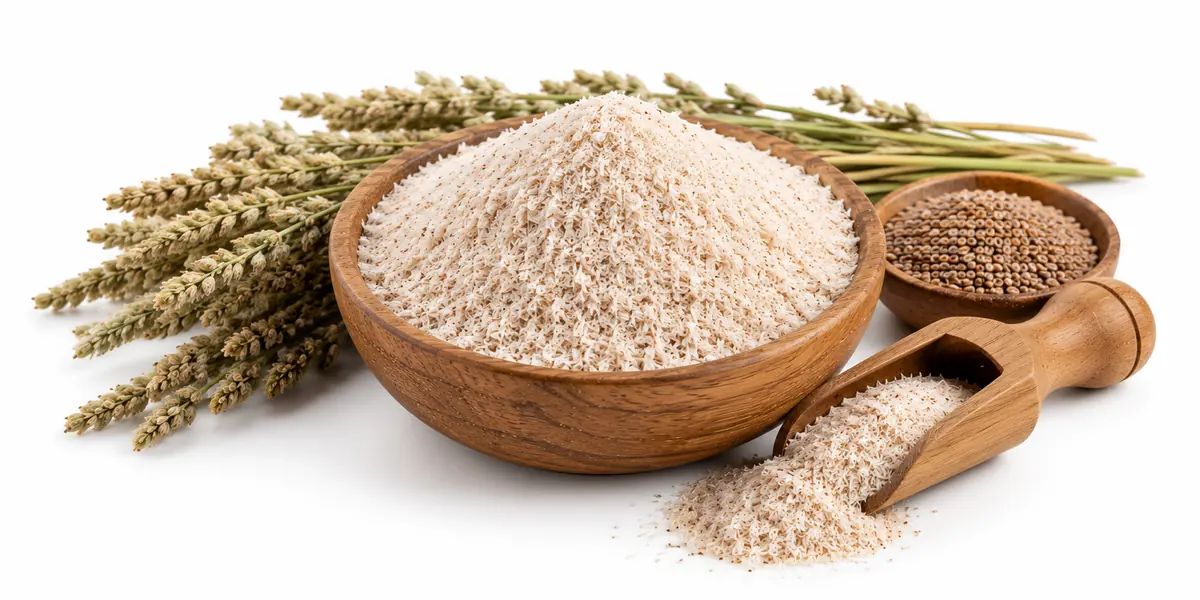
Psyllium Husk from India: Purity Grades 95% to 99% Explained
What husk purity percentages and mesh really mean, why swell volume is the spec that matters, and how to separate pharma-grade isabgol from food and industrial material.
- Husk purity grades
- Swell volume is the spec that matters
- Pharma, food and industrial grades
 Buyer Guide6 min read
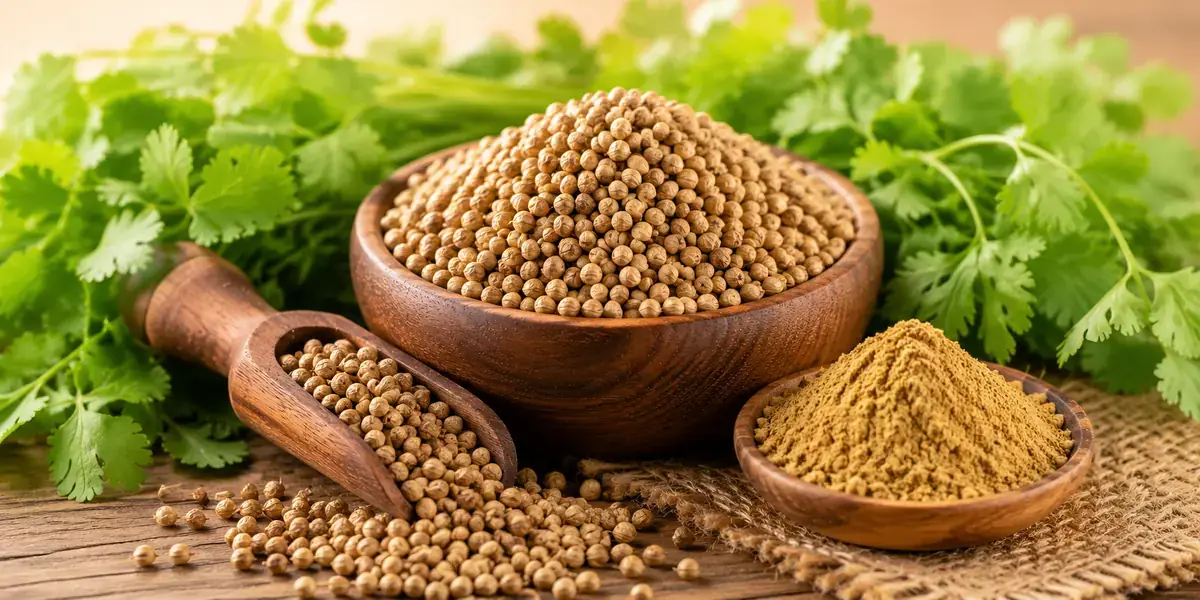
Buying Indian Coriander (Dhania): Grades, Colour & Oil
How Indian coriander seed is graded by colour and cleaning pass, what Eagle and Parrot actually mean, and the specs to lock on contract.
- Eagle, Parrot, Single, Double — what the names mean
- Volatile oil and why colour fades
- Specs to fix on the contract
 Buyer Guide6 min read
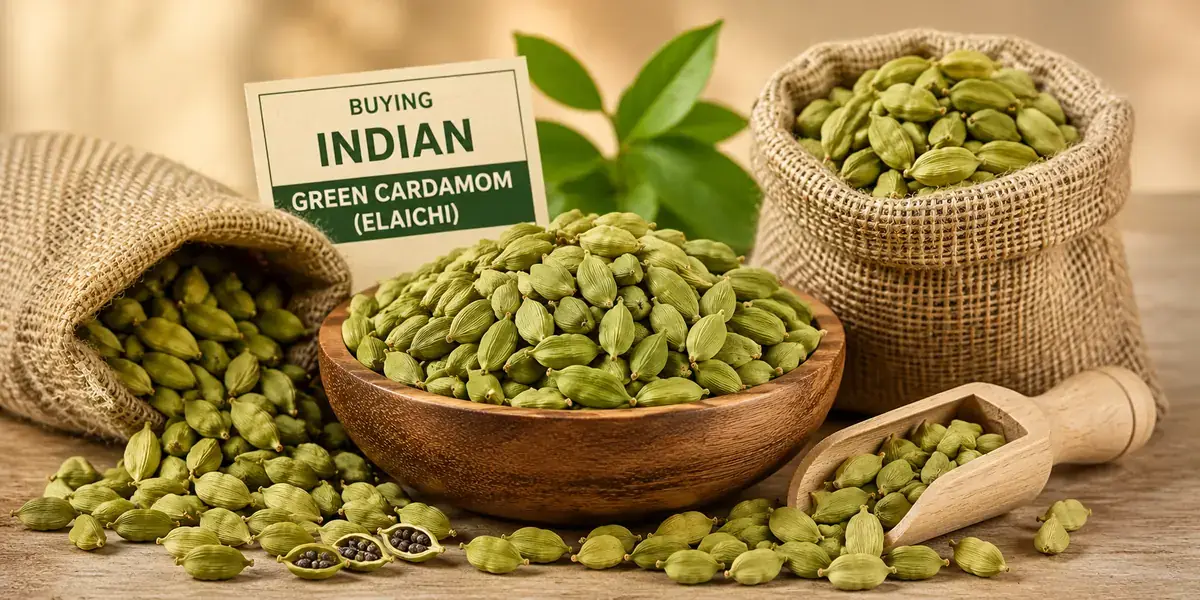
Buying Indian Green Cardamom (Elaichi): Size, Colour & Aroma
Why green cardamom is priced in millimetres, what AGEB means, and the size/colour/oil specs that decide your landed cost.
- Sized in millimetres, priced by boldness
- Colour and aroma do the real work
- Specs to fix on the contract
 Buyer Guide7 min read
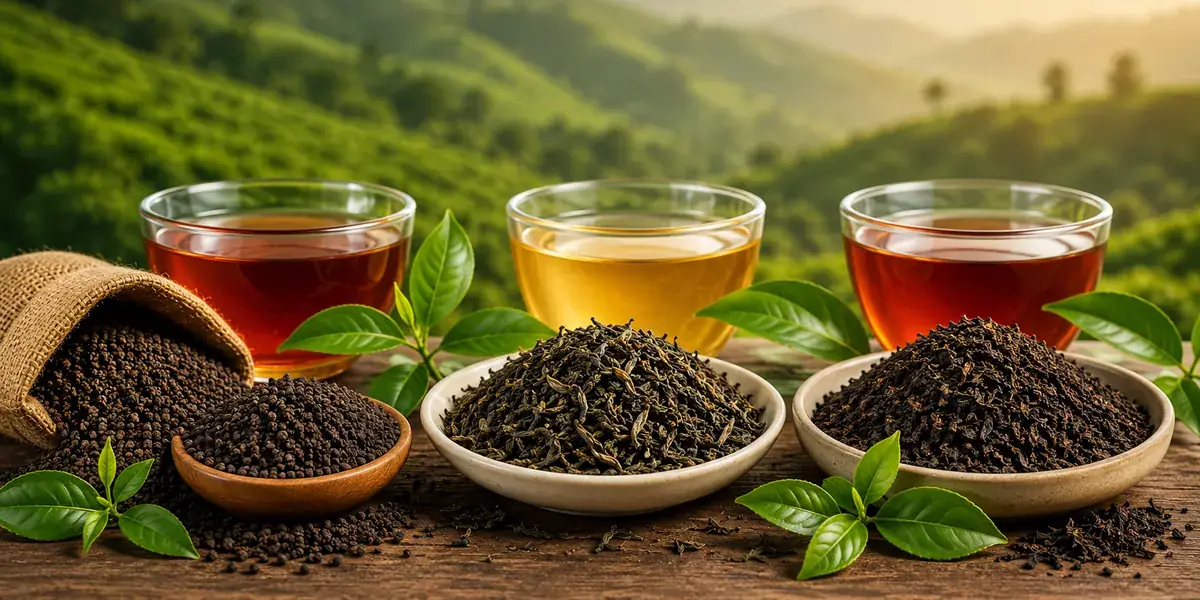
Importing Indian Tea: Assam CTC, Darjeeling & Grades Explained
Assam CTC versus Darjeeling Orthodox, what BP/BOP/PD/Dust mean in the cup, and the moisture and MRL specs to lock for EU and Japan.
- Assam CTC and the BP/BOP/PD/Dust ladder
- Darjeeling, Nilgiri and the lighter styles
- Specs and the MRL question
 Buyer Guide7 min read
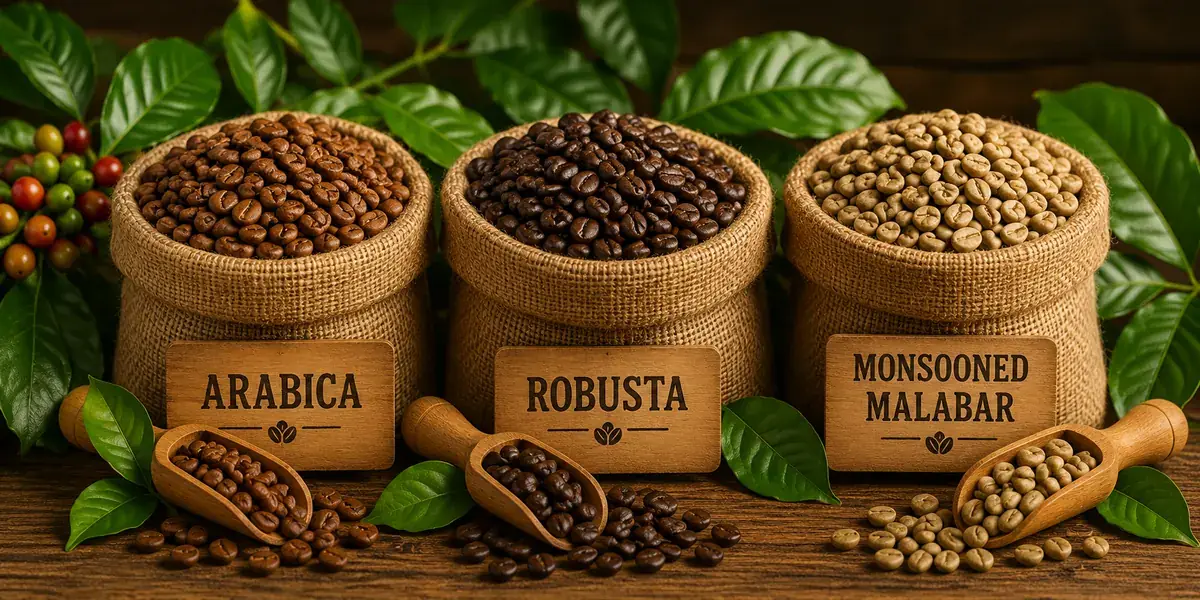
Importing Indian Coffee: Arabica, Robusta & Monsooned Malabar
Arabica versus Robusta, what the AA/A/AB screen grades mean, the Monsooned Malabar story, and packing for green beans versus instant.
- Arabica, Robusta and screen grades
- Monsooned Malabar
- Forms, specs and packing
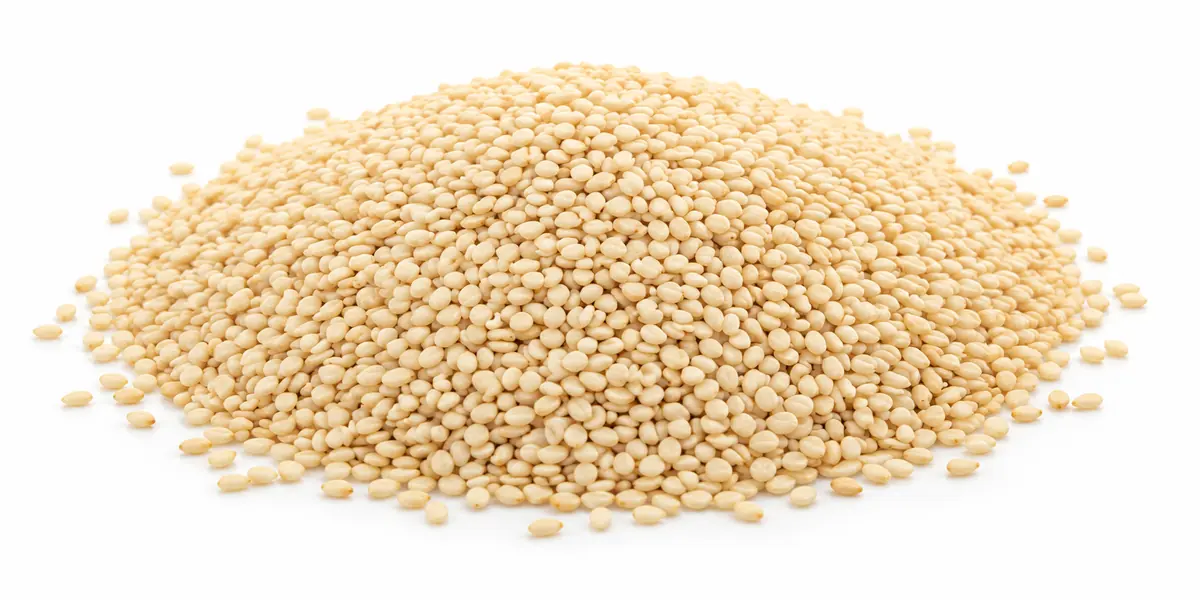 Buyer Guide6 min read
Buying Indian Sesame Seeds: Natural, Hulled & Black
Natural versus hulled versus black sesame, what the 99% and 99.95% purity calls mean, and the oil, FFA and aflatoxin specs to lock.
- Natural, hulled, black and golden
- Oil content and FFA for the oil trade
- Specs to fix on the contract
GMP, USFDA, FSSAI, APEDA & More: What Each Certification Means When You Buy From India
A buyer's plain-English guide to the acronyms on an Indian exporter's profile — which are company registrations, which belong to the manufacturing facility, which are legal must-haves and which are market-access marks.
- Company registrations — the licence to export
- Facility certifications — where the product is actually made
- Market & religious certifications — access, not quality
Ready to source from India?
Get a custom quote in your inbox within 12 business hours.